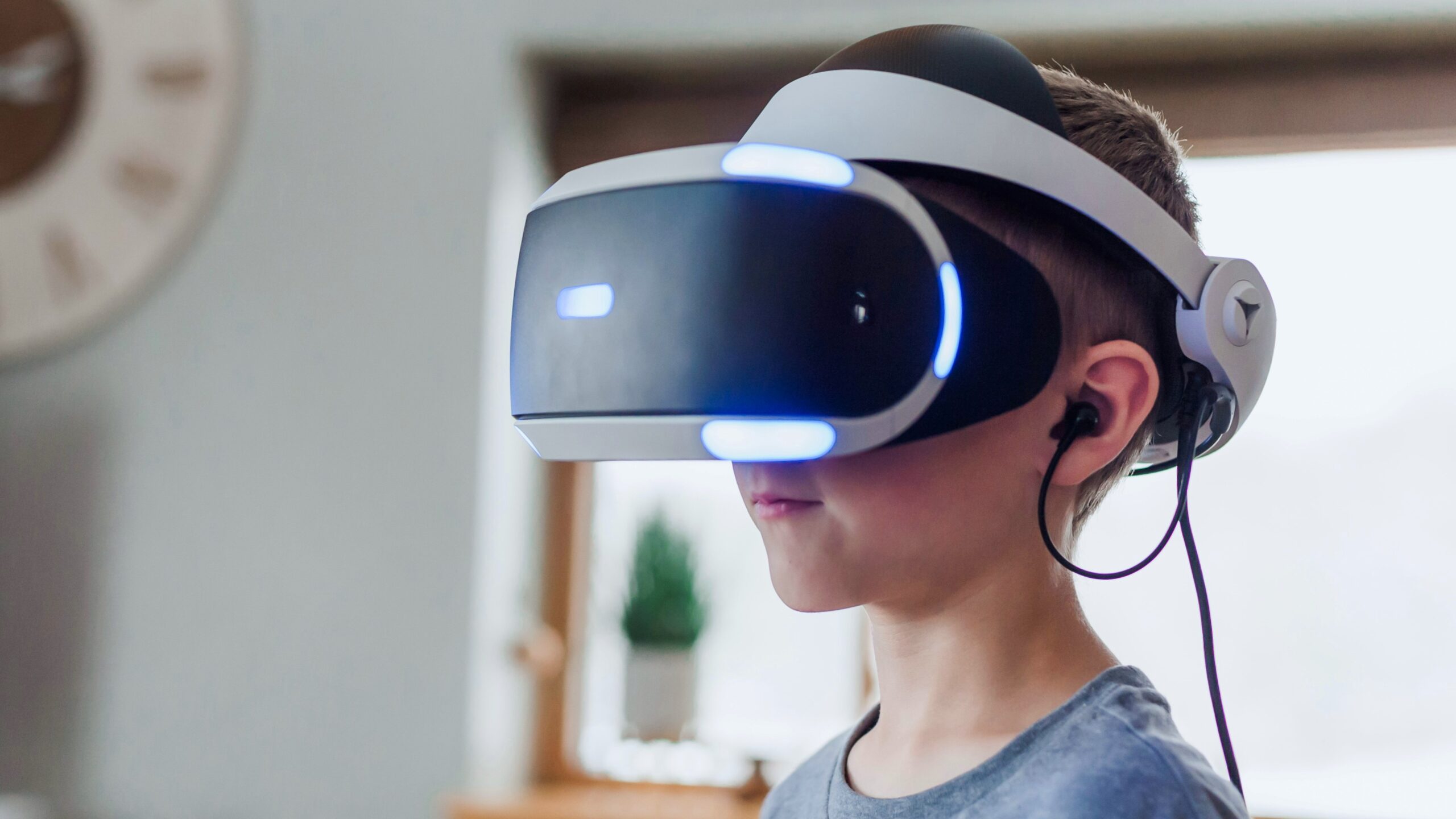
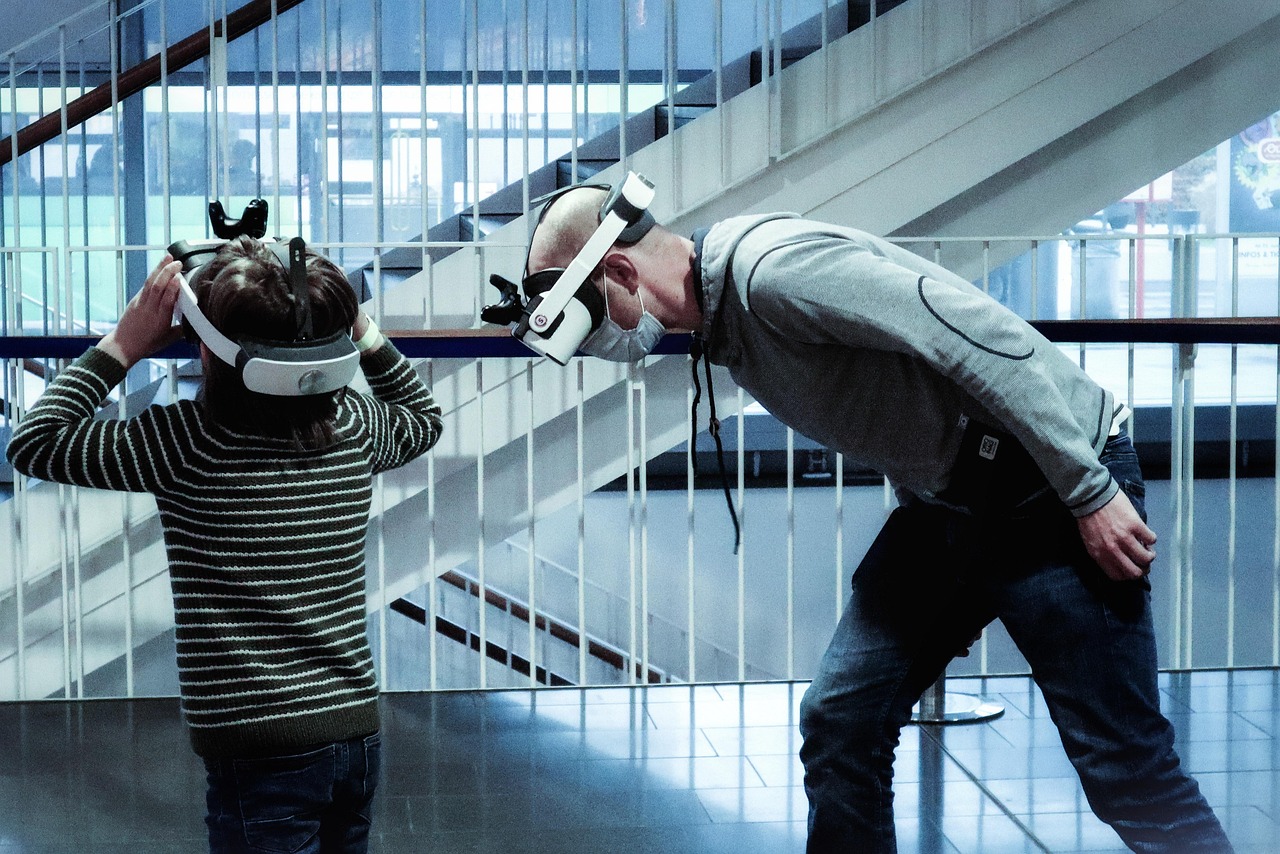
Virtual reality is a type of technology that creates a simulated world around you. Somehow, whether you want to see any historical place or have an underwater experience, all this can be done by wearing a VR headset, even without visiting the actual place, when it comes down to it. This is possible because the VR headset covers your eyes. And ears, helping your brain believe what it sees and hears.
Use Cases of VR in 2025
VR in Education
VR makes learning visual, fun, and exciting, but imagine you’re studying the digestive system in human beings, and you walk through a 3D digestive tract to learn biology. Basically, teachers can use it to teach tough topics to students, and through these types. Through interactive lessons, students can easily learn and experience things without leaving their seats.
It’s very helpful for subjects like history and science, where visuals make a massive impact. Believe it or not, schools all around the world are trying their best to use VR headsets to take the education system to the next level, if you ask me.
VR in Healthcare
I think, in medical schools, VR is being used to train students in a safe space and controlled environment, making learning more effective.
when it comes down to it, physicians and nurses use virtual reality to practise surgeries and hone their skills without using actual patients. By providing safe environments for them to overcome their fear. quite, virtual reality also benefits those who are dealing with anxiety, ptsd, or any type of phobia.
VR therapy is being used to help stroke patients and children with autism in their recovery.
VR in Gaming & Entertainment
VR gaming has reached a new level – if you think about it. Using VR, you aren’t just playing with buttons, but you feel like you’re inside the game – believe it or not. it’s an amazing experience to see fighting dragons or racing cars while wearing a VR headset. Actually, I think many companies are investing in this technology to make entertainment more interactive and social. To be honest, even music concerts, art galleries, and sports events are going virtual, making them feel more real.
VR in Real Estate
With VR, you can take a virtual tour of any property from your couch without visiting the actual place. Also, this is great for people who live far away or, due to some reasons, can’t travel.
This technology is also helping builders show future homes before construction is complete. Real estate companies are offering 360-degree walkthroughs and guided tours that feel just like you’re there.
VR in Corporate Training & Work
Big companies are using VR to train their employees in machine handling, customer service, or soft skills like communication. This makes the process faster, safer, and more engaging when compared to traditional training, I mean. Industries like retail, manufacturing, and many others are adopting this technology quickly.
VR in Tourism & Travel
If you’re not able to afford a world tour, VR helps you to visit your desired place without a passport. believe it or not, I understand it doesn’t replace the real thing, but still, it’s the best way to explore the world within your budget. Believe it or not, many tourism companies are offering VR previews of destinations to help travellers decide where to go, if you ask me. anyway, even historical places and museums offer virtual tours, making culture more accessible – you see!.
VR in Retail & Shopping
By using VR, some online stores let you try on clothes without wearing them in real life or see how furniture looks in your home before purchasing it. This helps people shop smarter.
VR stores are offering virtual fitting rooms, test-driving cars, and even makeup trials. It’s influencing the way people make shopping decisions when they are buying expensive products.
Future Scope of VR
VR is not just limited to fun and games, but perhaps very soon, VR will be used to join office meetings, attend school, or visit a doctor. This may soon be as normal as smartphones are now.
VR and AI
Virtual reality is even more potent when paired with artificial intelligence – when it comes down to it. Consider virtual instructors who adapt their lessons to your learning style or personal trainers who provide real-time workout guidance. AI will personalise VR experiences to each user’s needs, increasing the impact of gaming, fitness, and education.
Lighter, cheaper, smarter VR devices
Tech firms are developing more cost-effective, smaller wireless headsets. VR may be accessible to anyone with a phone and internet in a few years. More people will have access to VR thanks to devices that are more comfortable, have better graphics, and last longer on batteries.
Metaverse and Social VR
I mean, a shared virtual environment where people can socialise, work, or play is called the metaverse, I think. In the future, you may go to concerts, celebrate birthdays, or even go on a date in virtual reality. quite, in my opinion, businesses such as Meta (Facebook) are spending billions on building online workspaces and communities – here’s the thing.
Global Impact
VR has the potential to train workers globally, assist students in isolated communities, and bridge geographical divides, in my opinion… Really, VR can make previously unattainable high-quality healthcare, education, and job training available in developing nations.
What’s holding VR back? (At this time)
- Though VR has a lot of potential in the future, there are still some problems to overcome:
- High-quality headsets are still costly.
- Using VR, some people experience motion sickness.
- It needs powerful gadgets and a quick internet connection.
- However, there are predictions that these problems are going to disappear as technology advances. \
Conclusion
Will VR be the future? Yes, and it’s already taking place. VR is changing the way we connect, learn, and live. Including hospitals, schools, gaming, and shopping.
In 2025, virtual reality will no longer be merely a futuristic concept. It is a tool that is influencing the future and will only improve. Early adopters will benefit in business, education, and even enjoyment.