Fashion is undergoing a revolution in 2025. The industry that once celebrated excess and exclusivity now embraces sustainability and inclusivity. Consumers today demand transparency, ethical sourcing, and inclusivity in their wardrobes. Sustainable and gender-neutral fashion stands at the intersection of these shifts, redefining what it means to look stylish while staying true to one’s values.
Sustainability: From Concept to Commitment
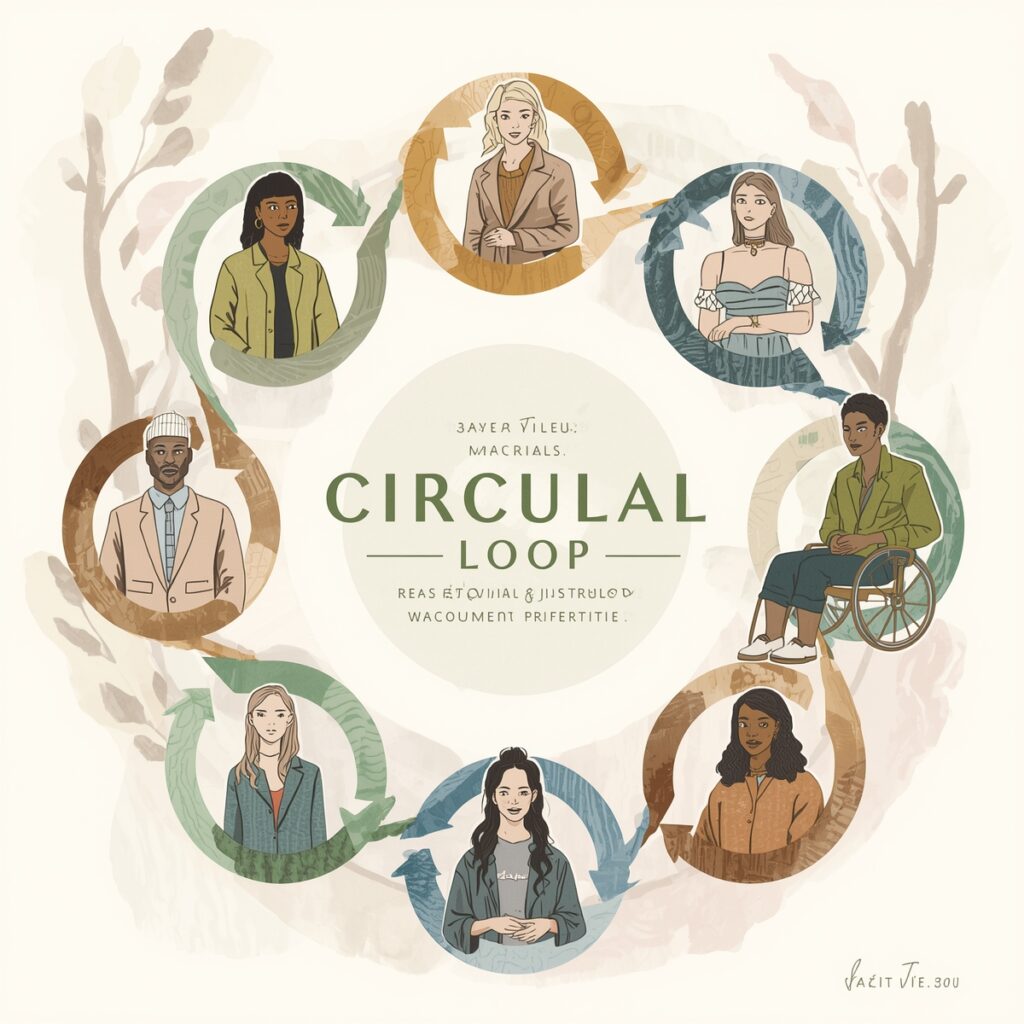
Brands now recognize sustainability as more than a buzzword; it’s an expectation. Global efforts toward eco-friendly design have accelerated, with the sustainable fashion market expected to top $3 billion this year. Circular fashion—based on recycling, reusing, and repairing—has gained traction. Labels like Patagonia, Stella McCartney, and Reformation are leading by example. They use regenerative materials and ethical manufacturing to minimize waste, proving that style and sustainability can coexist.
Transitioning toward circular economies allows consumers to rethink fashion consumption. Capsule wardrobes, upcycling, and biodegradable fabrics are becoming mainstream choices. Trends like pineapple leather, hemp denim, and compostable fibers are steering the industry toward a low-impact future.
Gender-Neutral Fashion: Breaking Boundaries
2025 celebrates freedom of expression over rigid norms. Gender-neutral fashion crushes stereotypes and opens endless possibilities in design. Apparel no longer fits within binary labels of “men’s” or “women’s.” It caters to all identities, promoting the idea that clothing is for everyone.
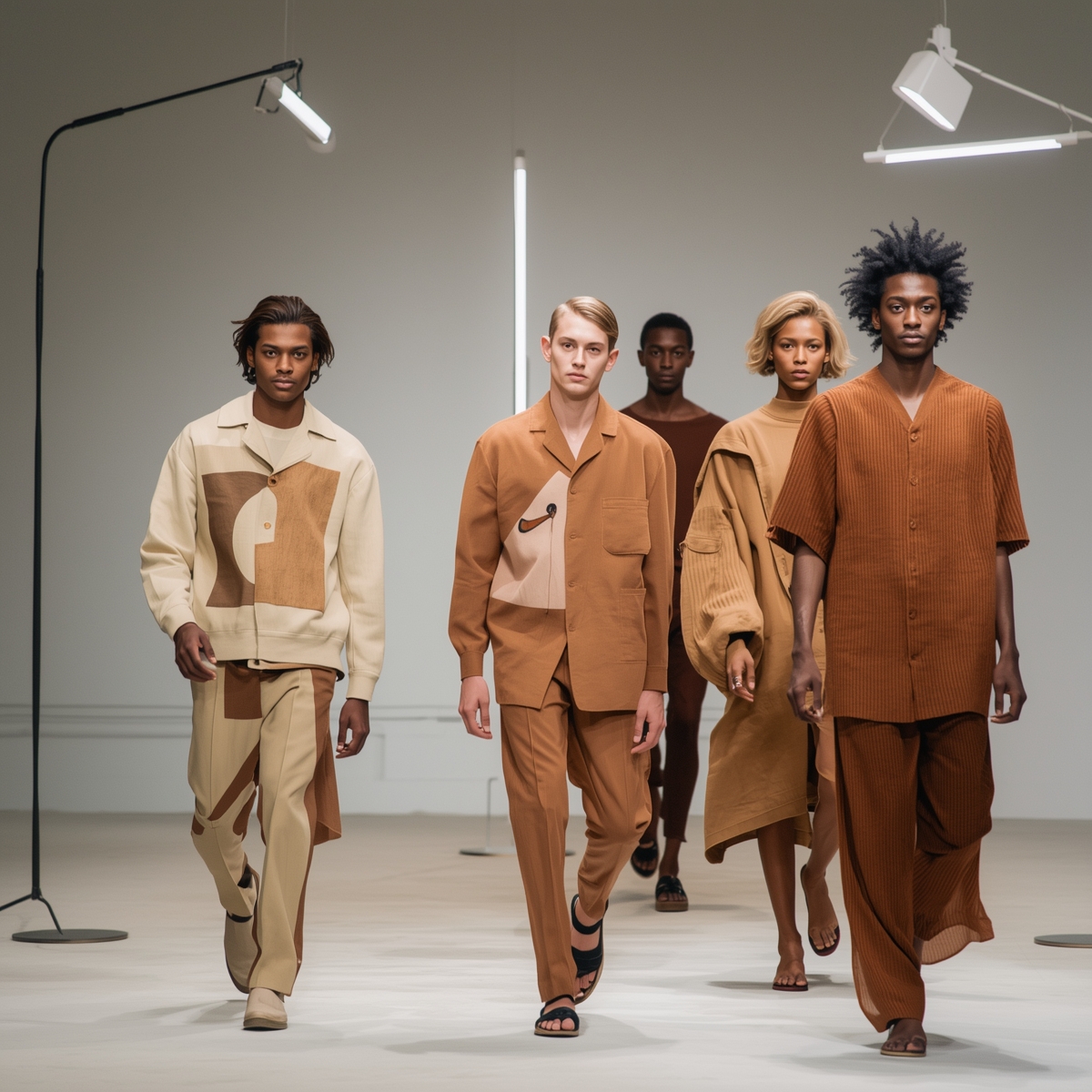
Unisex silhouettes—oversized blazers, relaxed trousers, and flowy shirts—dominate runways and streetwear collections. Brands such as PANGAIA and Outerknown merge sustainability with inclusivity, offering collections that reflect individuality. This shift is not only aesthetic but cultural. The move toward neutrality reshapes fashion marketing, fostering acceptance and self-expression.
Social media plays a vital role in this movement. Platforms like TikTok and Instagram fuel visibility, enabling creators and brands to challenge stereotypes. Viral hashtags like #GenderNeutralWear and #EcoInclusiveStyle unite online communities seeking authenticity and representation.
Technology Meets Sustainability
Innovation drives this transformation. AI-powered wardrobe tools now suggest eco-friendly outfit combinations, cutting overconsumption. Designers also harness digital fashion—3D modeling and virtual trial rooms—to reduce waste during sample production. Techwear merges sustainability with futuristic appeal, using smart materials designed for durability and comfort.
Sustainable luxury brands utilize blockchain technology to ensure transparent sourcing, empowering consumers to verify environmental commitments. The integration of digital assets, such as NFT-linked garments, exemplifies fashion’s readiness to embrace both technology and transparency.
Cultural Shifts and Ethical Mindset
Modern consumers care about where their clothing comes from and how it’s made. This consciousness fuels demand for slow fashion. In India, brands like Okhai and Nicobar empower rural artisans through handcrafted, eco-friendly textiles. Globally, luxury houses now favor recycled fabrics and sustainable sourcing over excess inventory.
These cultural shifts reflect new generational values. Gen Z consumers lead the movement, influencing older demographics and major retail decisions. They prioritize ethical consumption, and their digital activism amplifies the sustainability message worldwide.
The Future: Harmony Between Planet and People
The fashion landscape of 2025 focuses on conscious consumption and identity fluidity. Sustainability ensures longevity, and gender neutrality guarantees inclusivity. Together, they are shaping a new code of style—one that celebrates human diversity while protecting the planet.
The true essence of modern fashion lies not in labels or fleeting trends but in alignment with personal and planet-friendly values. In this new era, the most stylish statement one can make is mindful living.