
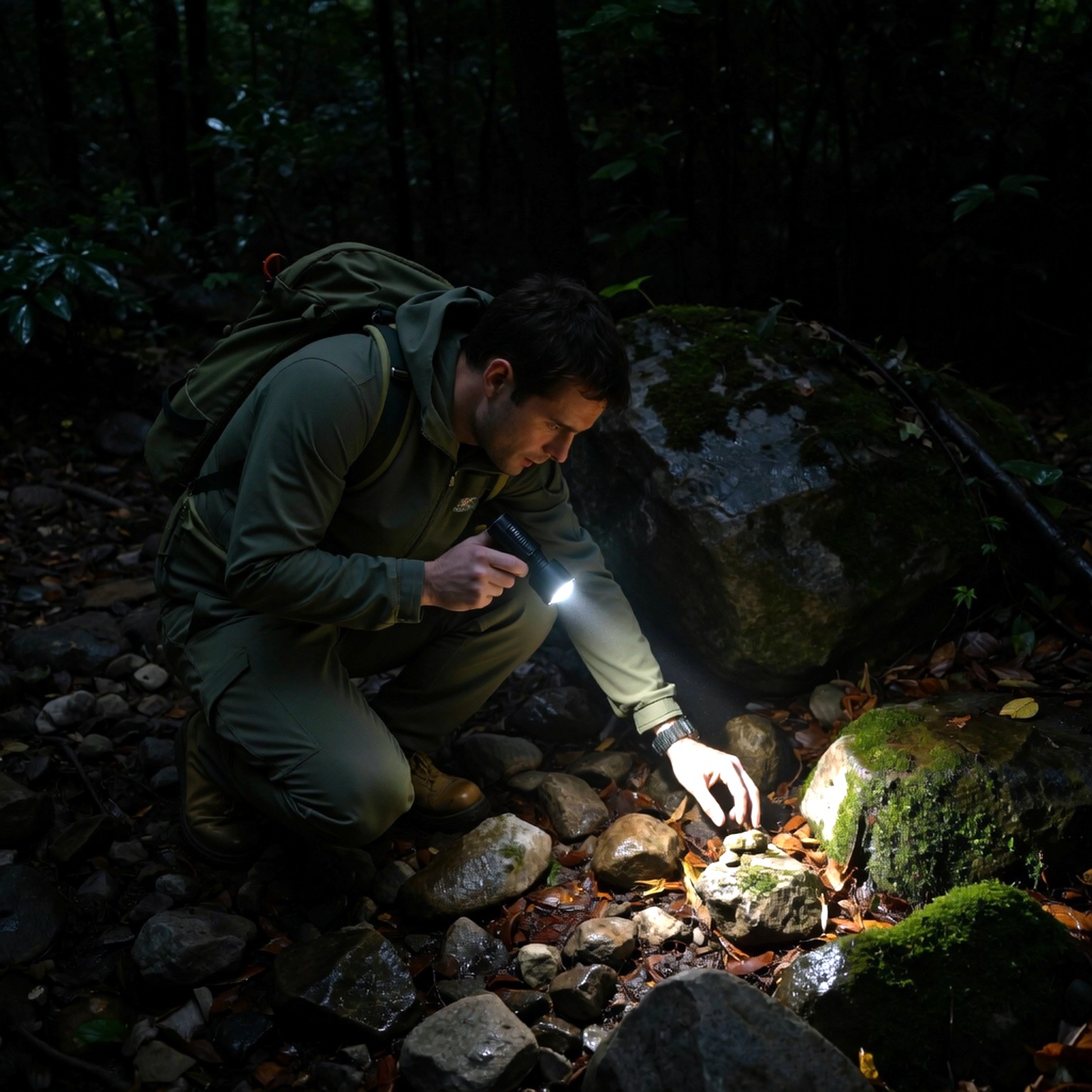
When the world thinks all of nature’s secrets have been revealed, remote places like Dauan Island deliver astonishing reminders of the wild’s resilience and wonder. Nestled in the Torres Strait, Dauan’s uniquely rugged landscape has long stood apart—but in October 2025, it became a headline-maker with the formal discovery of three animal species entirely new to science: a gecko and two striking frogs.
A Hidden Biodiversity Treasure
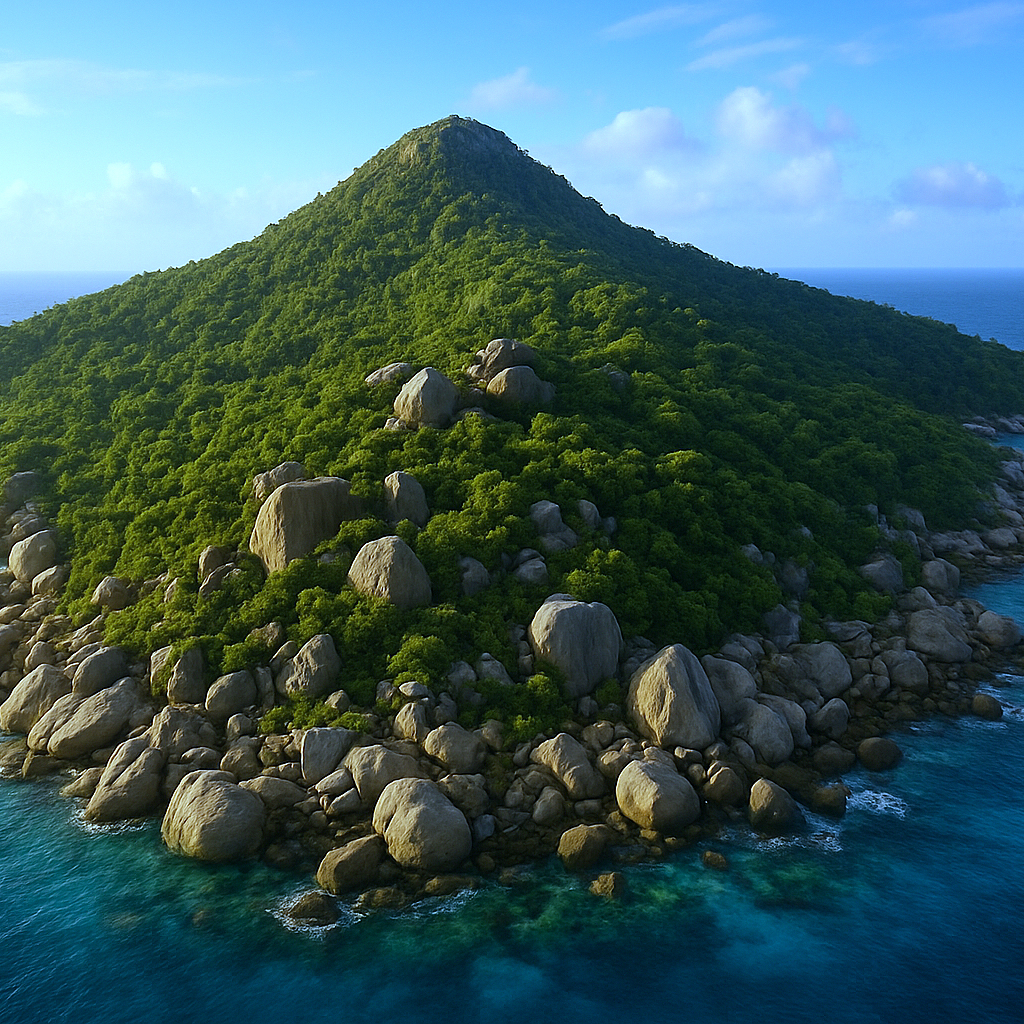
Dauan Island is a 3.4-square-kilometer outpost marked by towering boulder fields and Australia’s northernmost granite peak. Isolated from both the Australian and New Guinean mainlands, its landscapes are both ancient and futuristic—an environment so diverse yet secretive that wildlife can thrive in ways researchers never expected.
In recent fieldwork, Associate Professor Conrad Hoskin and his James Cook University team identified two unnamed frogs and a beautiful gecko, all restricted to the island’s scattered granite blocks. Their discovery shines light on how isolation creates distinct ecosystems and pushes the boundaries of evolution and adaptation.
Meet Dauan’s Extraordinary New Inhabitants
Researchers described:
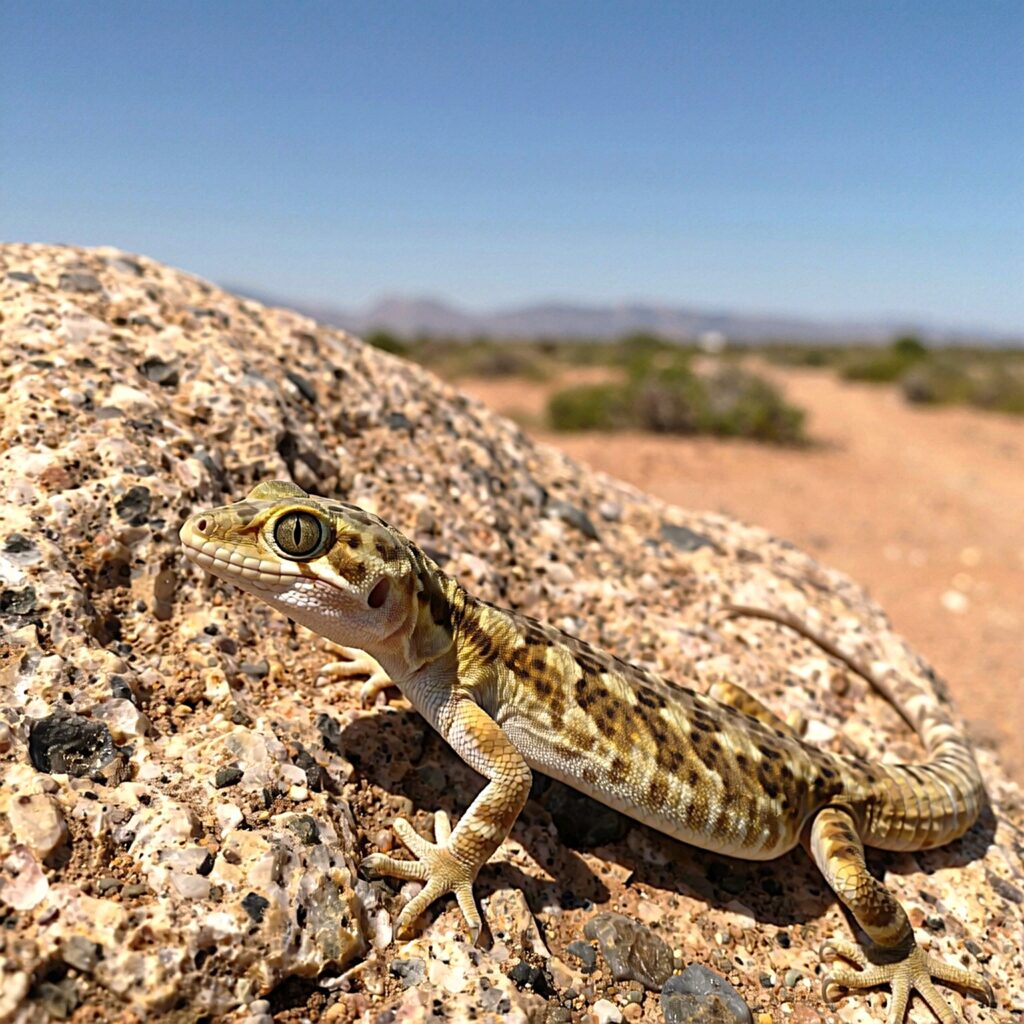
- Dauan Island Gecko (Nactus simakal):
The gecko’s banded markings help it disappear against the rocks. It has long legs for climbing and sticks to the island’s boulder fields. Named in honor of Simakal Pad—the peak where it was first located—this gecko’s lineage links it to relatives in Cape York, but its appearance and behavior are shaped entirely by life on Dauan.
- Koeypad Frog (Choerophyrne koeypad):
The frog’s got oversized toe pads that let it stick to slippery rocks. Its call is high and metallic, and weirdly, males have no external ears. It hangs out on wet, mossy boulders where it’s nearly impossible to spot. Researchers named it after the rocky mountains where it lives.
- Gobakula Frog (Callulops gobakula):
Larger than its counterpart, Gobakula Frog is a deep-voiced croaker hiding in the darker crevices. Its presence is felt at nightfall, as its resonating call echoes across the stone boulders. The name “gobakula” is rooted in the local language, signifying a home among rocks.
Each of these species represents evolutionary innovation at work—survivors who diverged from New Guinea ancestors millions of years ago, navigating changes in climate and isolation, ultimately finding refuge in Dauan’s mysterious landscape.
Why This Discovery Matters
Finding three new vertebrates at once caught biologists off guard. Australia’s wildlife has been studied for decades, yet here’s a tiny island packed with species no one knew existed. Dauan now has the highest concentration of unique vertebrates of any Queensland island.
But here’s the catch: these animals are already in danger. Invasive predators, climate shifts, and sloppy biosecurity could wipe them out fast. Researchers are pushing hard to protect the island now, not after it’s too late. Discovery means nothing if the species go extinct.
Island and Community Connection
Integral to this achievement is the close partnership between researchers and the local Guda Maluilgal nation. Community members provided guidance, shared traditional knowledge, and are now partners in ongoing species monitoring and biodiversity surveys.
As Councillor Torenzo Elisala notes, “These discoveries are a celebration of our living heritage—our relationship with country, with nature, and with ancestors that have protected these lands for thousands of years.” The story is a testament to how collaboration between science and traditional custodianship can advance both research and protection.
Looking Forward: Conservation, Curiosity, and the Unknown
Dauan’s newfound biodiversity is only the beginning; researchers are hopeful that further, pretty much… Surveys will reveal more hidden wonders, especially among insects and other small creatures, honestly… believe it or not, however, ecological vigilance must remain high… frankly, with so few of these animals and such limited habitat, their continued survival hinges on robust biosecurity and conservation measures… honestly, this discovery is a call to action: to cherish and safeguard our planet’s pockets of mystery, respecting both nature’s creativity and the wisdom of those who have long called these places home – the fact is.